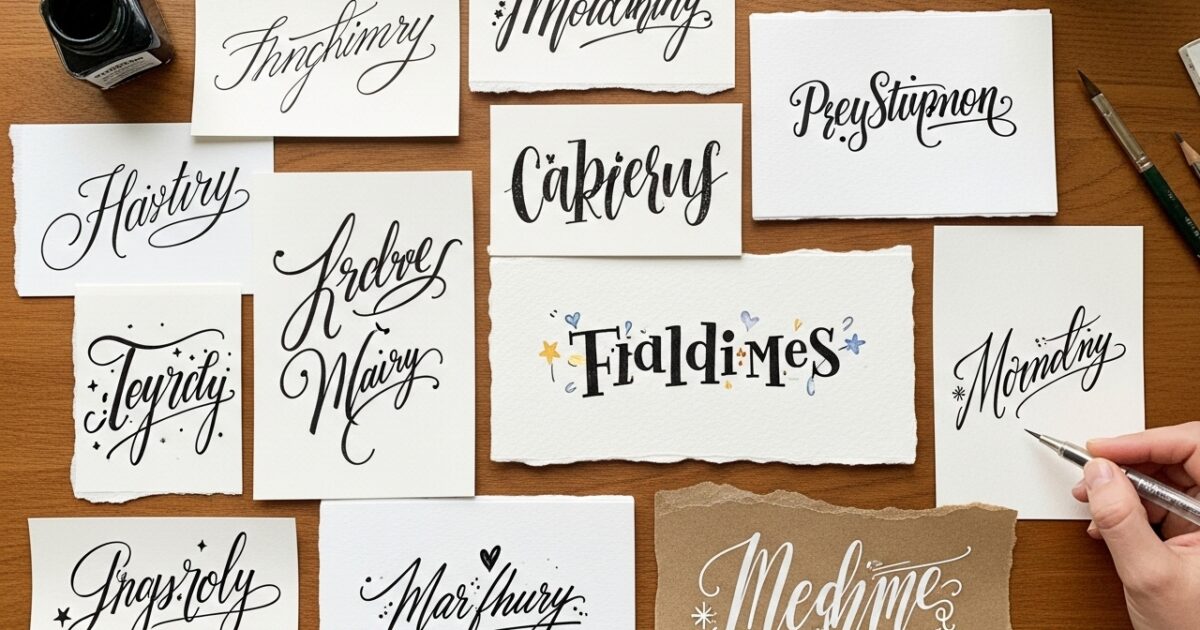
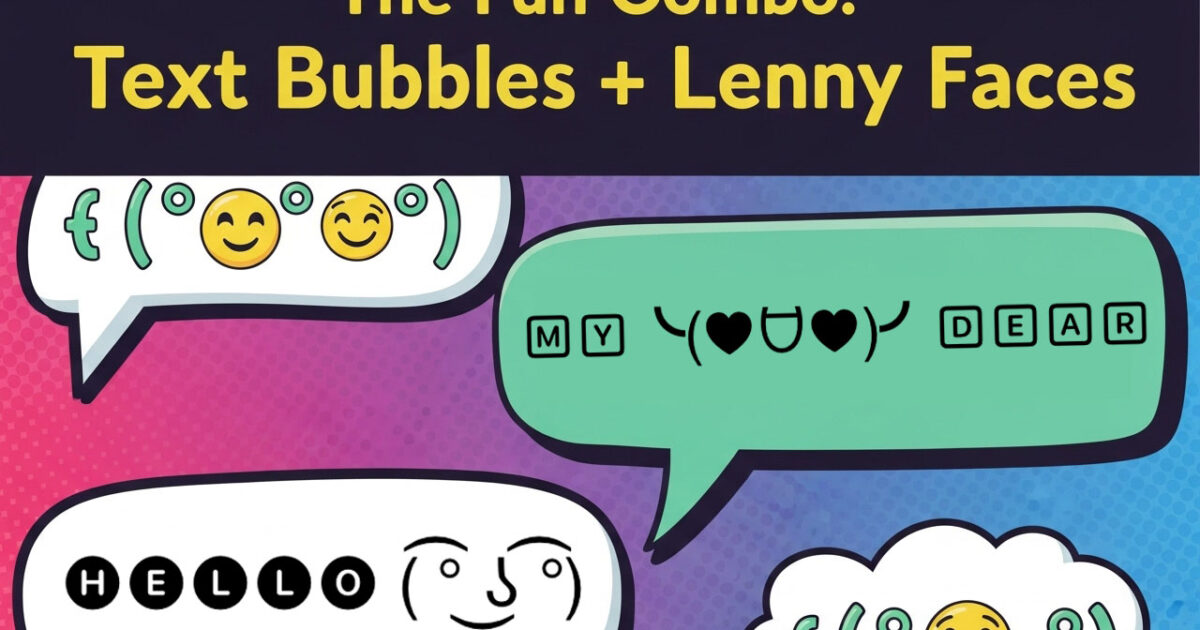
How Can AI Font Design Bring Emerging Trends into Your Creative Projects?
Tired of scrolling through endless font libraries? AI is changing the game. Now, experience the magic of creating unique, custom typefaces through simple descriptions.This isn't just another tech trend. It's a practical tool for creators, marketers, and entrepreneurs to solve real problems: building a stronger brand identity, creating standout content, and breaking through creative blocks—instantly. Forget the hype. This guide cuts to the chase with actionable strategies to harness AI font design in your next project. Let's unlock new creative potential.
Forget the hype. This guide cuts to the chase with actionable strategies to harness AI font design in your next project. Let's unlock new creative potential.
1. What is AI Font Design?
Think of AI font design as a smart translator that turns your words into visual designs. Instead of spending hours manually drawing each letter, just describe what you have in mind, and then let the technology bring it to life.
Platforms like Refont.ai work by studying thousands of existing fonts to understand what makes different styles unique. They learn why some fonts feel modern while others feel classic, or why some appear serious while others look playful.
When you type something like "a friendly, rounded font that feels approachable," the system doesn't just find existing fonts. It actually creates a completely new one from scratch, tailored to your description. It's like having a personal font designer who brings your ideas to life.
The benefits are pretty amazing:
- Speed: Get a complete font concept in minutes instead of months
- Accessibility: You don't need to be a professional designer to create great fonts
- Creative Freedom: Mix and match styles that would be difficult to create manually
This isn't about replacing human designers - it's about giving everyone new tools to express their creativity more easily.
2. Emerging Font Design Trends to Watch in 2025
Typography has always reflected cultural shifts—from the mechanical precision of the industrial age to the sleek minimalism of the digital era. In 2025, font design trends are expanding faster than ever, shaped by global aesthetics, new display technologies, and a growing toolbox of intelligent design aids like AI font design. Below, we explore the most exciting trends and show how AI can help you work with them.
Trend 1: Nostalgic Fusion: Remixing the Past for Today's Trends
Today's design landscape is mastering the art of time travel. The most cutting-edge visual expressions often carry a hint of familiar retro flair. This isn't about simple replication; it's a sophisticated act of remixing—taking classic melodies from the past and reworking them with a modern beat. This is the powerful trend of Nostalgic Fusion, and AI font design is a key tool for bringing this style to life.
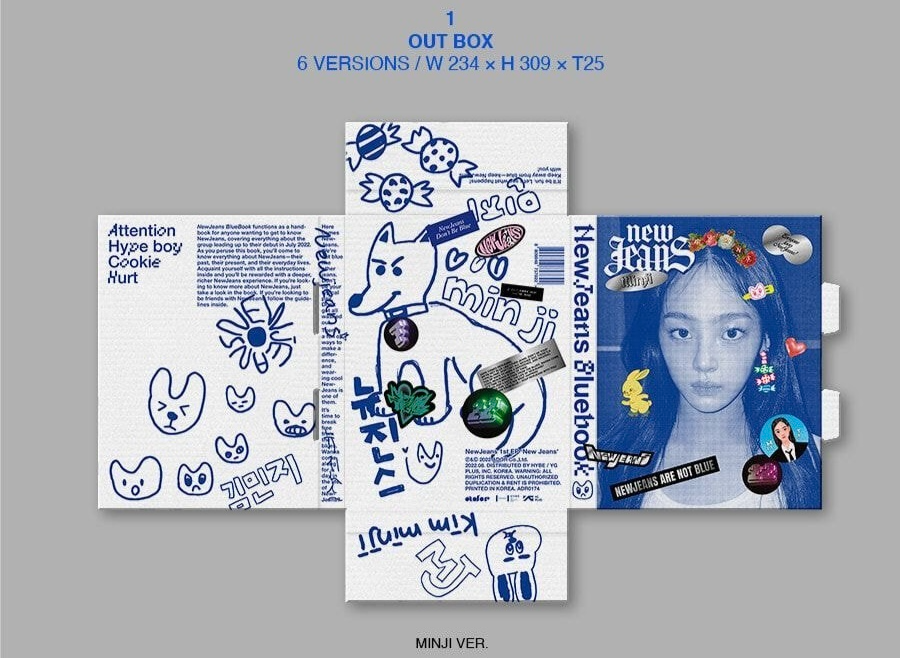
To understand this trend, look no further than the global sensation, the Korean girl group New Jeans. Their visual universe is a perfect homage and upgrade to the millennial Y2K aesthetic.
Y2K Aesthetics: A Collective Memory of Digital Youth
In New Jeans' music videos, low-fi DV footage, glitching CRT monitors, and flip phones take center stage. This visual language instantly transports viewers back to the early 2000s, an era of naive optimism about the digital future. This style resonates because it captures the carefree, community-oriented sentiment of a digital adolescence.
This retro-futuristic vision was famously captured in films like The Matrix, with its cascading green code representing a quintessential Y2K-era cyberspace. Today, with AI font generation, designers can easily create typefaces with pixelated or glitch-art effects, effortlessly injecting this retro-futuristic vibe into branding and design projects.
But the treasure trove of retro inspiration goes far beyond Y2K. The 70s disco era is also making a strong comeback.
The 70s Revival: The Free-Spirited Disco Vibe
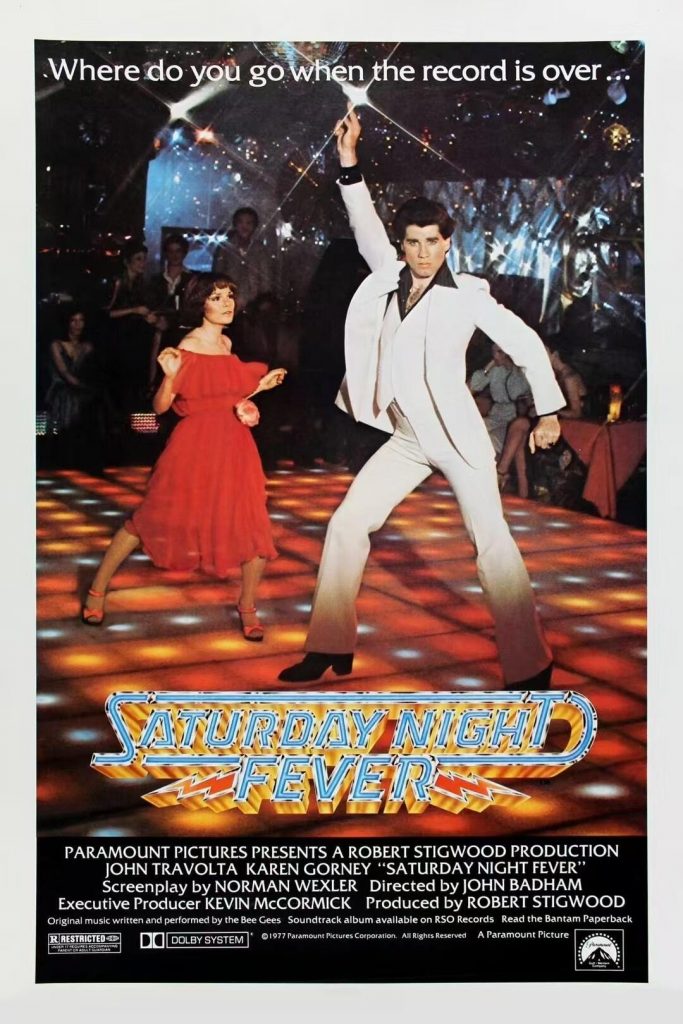
In contrast to Y2K's digital feel, the 70s style is a celebration of physical exuberance. Flowing scripts, bold, rhythmic serifs, neon color palettes, and psychedelic patterns are its core visual signatures.
A perfect modern example is Dua Lipa's album Future Nostalgia. She blends disco rhythms with modern electronic production, and her visuals heavily feature retro fonts and colors, creating something that feels both nostalgic and entirely fresh. This vibrant, liberating aesthetic offers a form of emotional escape and comfort today.
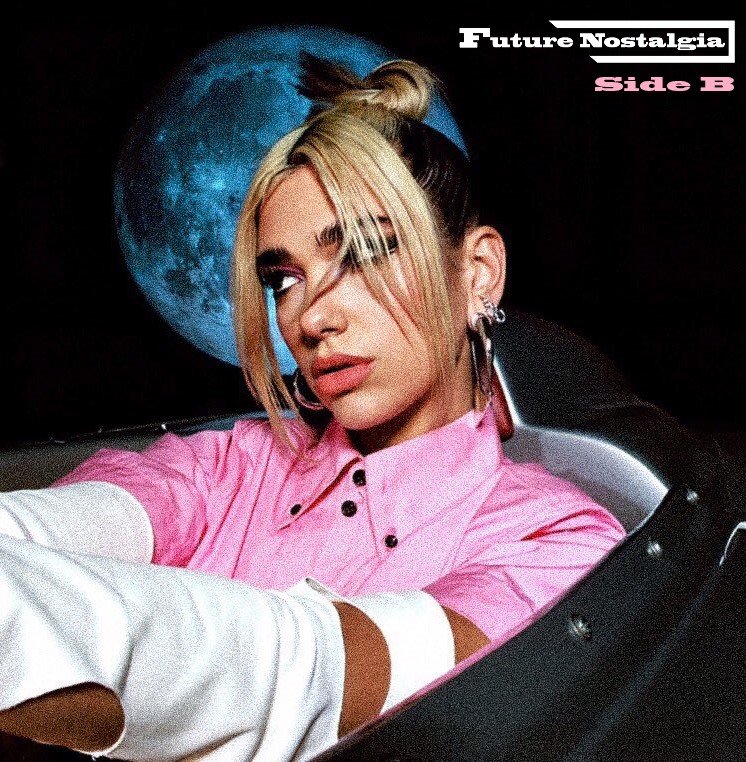
The essence of Nostalgic Fusion lies in using new technology to evoke old memories.
The appeal of both Y2K and 70s styles isn't about perfect recreation, but about creative translation. This is where AI font design plays a pivotal role. It allows designers to use simple prompts—like "a tech font with a retro glitch effect" or "a modern script blended with disco flair"—to rapidly generate unique typefaces that fit contemporary tastes while carrying the emotional weight of a bygone era, vastly expanding the possibilities for visual creativity.
Trend 2: Dynamic Font Systems: Breathing Brand Expression
In today's information-saturated world, static visual design struggles to capture user attention. This is why dynamic fonts are becoming the new frontier in design - transforming text from cold symbols into living communication mediums that can sense and respond to their environment.
At the core of this trend is "contextual responsiveness." Imagine:
- Weather app fonts that change with conditions: clear and expansive on sunny days, taking on watery textures during rain
- Fitness app numerals that bounce joyfully when users achieve goals
- News readers that adapt typography to content tone: formal serifs for serious news, playful sans-serifs for entertainment
This technological leap is powered by mature variable font technology. While traditional typography required loading multiple files for weight or width variations, a single variable font file now contains a complete library of dynamic parameters. Designers can adjust font properties in real-time, much like sliding a volume control.
AI font design is elevating this trend to new levels. Through machine learning algorithms, AI can:
- Analyze brand personality traits to automatically generate matching font behavior rules
- Intelligently recommend optimal dynamic effects based on usage scenarios
- Optimize real-time font rendering across different devices
For creative professionals, AI font design tools have significantly lowered the barrier to creating dynamic typography. Now, with simple natural language prompts like "create a modern font that pulses to musical rhythms," designers can quickly obtain font solutions with built-in dynamic characteristics.
This evolution in visual creativity signals a fundamental shift in typography - from purely formal aesthetics to comprehensive behavioral design. The future of brand expression requires not just beautiful fonts, but intelligent font systems capable of deep interaction with users.
Trend 3: Brutalism: The Authentic Manifesto of the Digital Age
In a world saturated by overly polished visual content, a seemingly "rough" design ethos is gaining traction—Brutalism. Unlike mainstream design that chases flawless perfection, it deliberately reveals materials in their raw state—think unadorned concrete walls that exude power through authenticity. This style resonates deeply because it offers a rare commodity in the age of filters: genuineness.
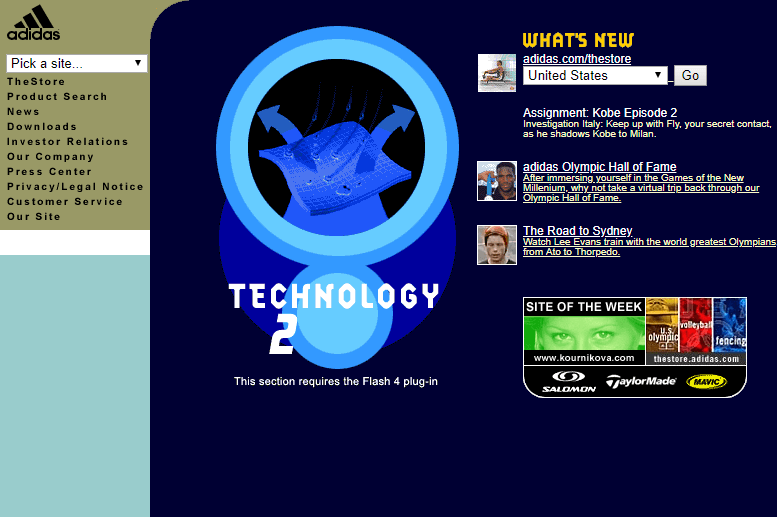
In digital design, Brutalism translates to embracing "default states." It opts for system fonts, preserves browser-native button styles, and uses unapologetic color contrasts. This language may seem simplistic, but it demands bold confidence—trading flashy effects for the inherent power of content. When users tire of uniform, glossy interfaces, this straightforwardness becomes a refreshing visual palette cleanser.
This resurgence ties directly to our craving for authenticity. On social media, "no-filter" photos and unscripted life moments are celebrated. Brutalism mirrors this sentiment in design: it refuses to hide flaws, much like a handwritten note whose messy script feels precious precisely because it’s sincere.
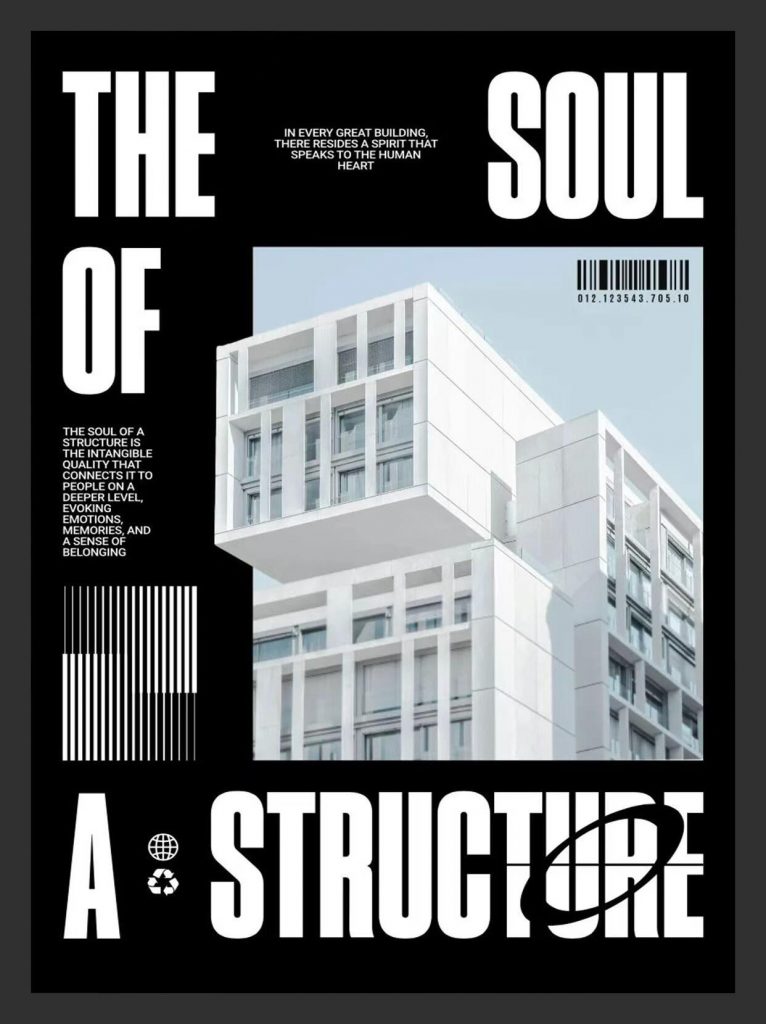
AI technology unlocks new possibilities for exploring this aesthetic. Tools like Refont let creators specify "imperfect" traits—such as "uneven typewriter-style lettering" or "ink-blotted textures." The platform’s AI interprets these abstract prompts to generate fonts that blend artisanal tactility with readability, echoing how modern architecture uses concrete: rough in appearance, yet meticulously calculated.
Brutalism reminds us that design is more than decoration; it’s communication. When every brand chases perfection, the courage to embrace authenticity fosters deeper connections. While not universally applicable, it offers a valuable perspective: in the digital realm, imperfection often holds the most humanizing power.
3. Steps to Blend Trendy Fonts into Your Designs
Knowing about font trends is one thing; using them in your projects is another. This simple three-step process will help you turn abstract trends into practical design assets.
Step 1: Define Your Style Direction
Before you start, take a moment to refine your vision. Taking Y2K as an example, move beyond vague terms like "futuristic." Ask yourself: Are you aiming for a playful cartoon vibe or a sleek tech feel? Should the letterforms be rounded or sharp? Organizing these specific traits into keywords is like giving AI a clear design brief, which significantly improves the next steps.
Step 2: Generate Smartly with Refont.ai
This is the core step. Input your prepared keywords into Refont.ai, such as "a rounded tech font with a subtle glow effect." The platform will quickly generate multiple options. Don't just judge single characters; evaluate the overall feel and imagine its real-world application—will it be striking as a headline? Is it legible at small sizes?
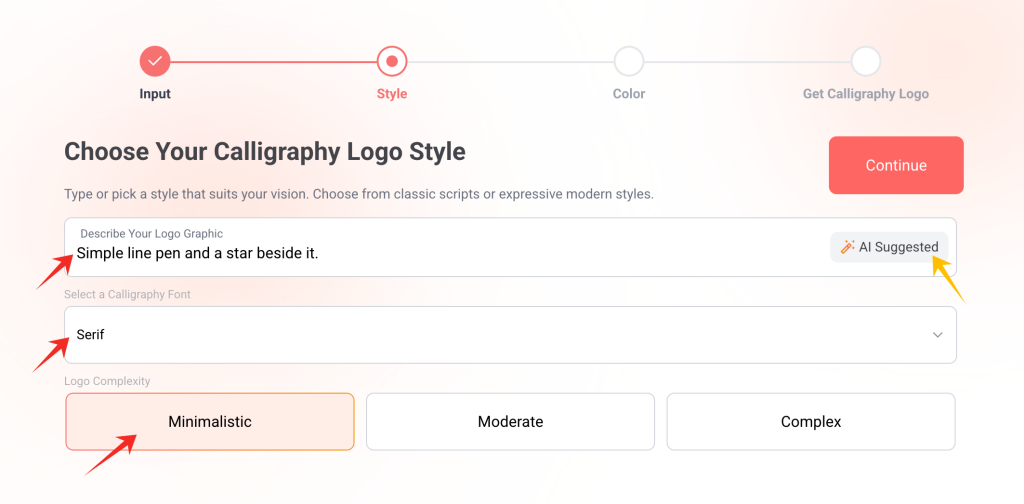
Step 3: Refine and Implement
The AI-generated result is a great starting point, but your professional touch makes it shine. You might need to adjust letter spacing for better rhythm, optimize specific character pairs, or finesse details in professional software. Finally, test it in its intended context to ensure the font performs perfectly across all use cases.
Conclusion: A New Chapter in Design
Our exploration reveals that AI font design is leading the typography industry into a dynamic new era. With the intelligent capabilities of Refont.ai, creators can easily transform the latest design trends into unique visual languages, opening up new possibilities for visual creativity.
This represents not just technological innovation, but an evolution in creative methodology. Intelligent font generation technology allows creators to focus on core aspects requiring human aesthetic judgment, making personalized font design more accessible than ever.
As technical barriers lower, the value of creative vision becomes increasingly important. Now is the perfect time to explore AI font design - select a trend that inspires you, generate your first custom font, and experience the innovative approach offered by Refont.ai.
The best designs will always be the perfect blend of human creativity and tool capability.
FAQ
Q1: Who owns the copyright to AI-generated fonts?
Generally, the copyright is granted to the creator when using legitimate AI font platforms. However, specific policies vary by platform, so we recommend carefully reading the terms of service. For instance, fonts generated on Refont.ai can be used for both personal and commercial projects.
Q2: Do professional designers need to learn AI font design?
Absolutely. AI is becoming a fundamental tool in the design field, much like how Photoshop replaced traditional darkroom techniques. Learning AI tools helps professional designers improve efficiency, expand creative boundaries, and focus more on high-value tasks like conceptualization.
Q3: How can I get AI to generate fonts that better suit my needs?
The key is providing accurate descriptions. We suggest describing your needs from these dimensions:
- Style keywords: e.g., "modern," "retro," "tech"
- Visual characteristics: e.g., "rounded corners," "sharp," "handwritten"
- Usage scenarios: e.g., "for headlines," "for body text," "for logo design"
- References: e.g., "similar to the style of [well-known font]"
Q4: Will AI fonts replace traditional font designers?
Not completely, but it will change how they work. Just as digital cameras didn't replace photographers but allowed them to focus on creative expression, traditional font designers can use AI tools to enhance efficiency while leveraging their professional advantages in aesthetics and cultural understanding.